
Our story / Pacific Northwest

Where we’re from shapes how we work.

Ridgeline was built in the Pacific Northwest, and that’s not incidental. Time in the mountains teaches you that conditions change faster than plans do. You learn to read the terrain honestly, choose a route you can explain, and adjust without losing sight of where you’re going. That instinct stays with us when we come back to work.

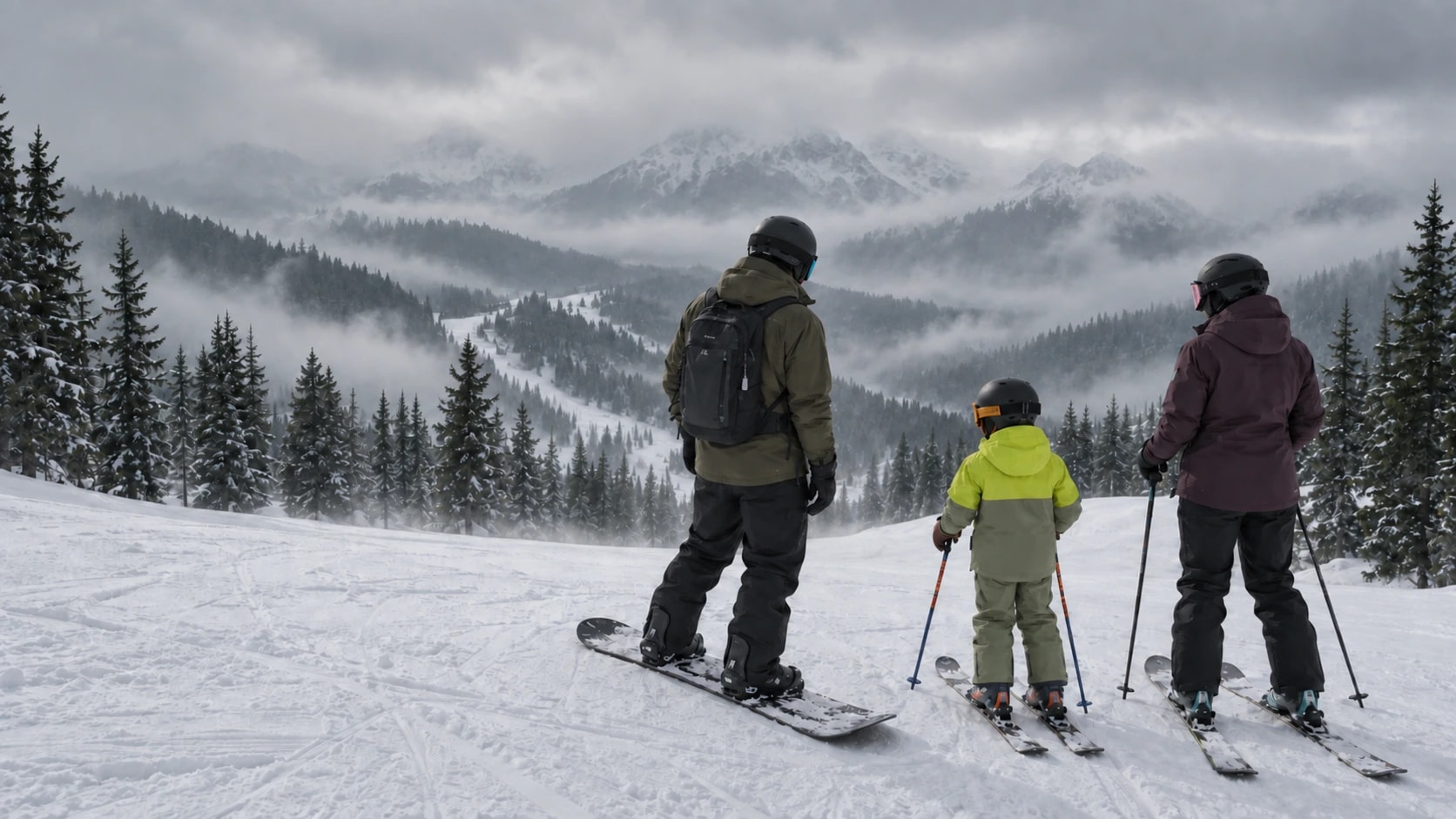
Illustrative scene of Brandt snowboarding beside Erin and Declan on skis, looking toward misty mountain ridges.

What the terrain teaches

We bring our families into the terrain, and it shapes how we lead.

Weekends mean trails, lakes, and ski runs. We watch our kids stand at the top of something that looks larger to them than it does to us, working out where to put a foot or make a turn. We’re there to help, but we can’t make every choice for them.

We want them to learn to read what’s in front of them, choose their own line, and adjust. That takes patience. It means leaving room for a different route than the one we would have taken.

We bring that same patience to our work. The route rarely looks obvious at the start. We work through the choices together, explain our judgment, and stay involved as conditions change.

The pillars of Ridgeline

How we show up matters as much as the route we recommend.

The terrain changes from one engagement to the next, but our way of working stays grounded. We remain humble enough to listen before prescribing, hungry enough to keep moving when the work gets difficult, and curious enough to question the route everyone else has accepted.

Humble.

The mountain doesn’t care about your plan.

Knowing a route doesn’t mean you know what you’ll find today. Weather shifts. The ground changes. You have to pay attention, even somewhere you’ve been before.

We try to carry that humility into every engagement. Experience gives us a starting point. It doesn’t excuse us from listening or changing our minds.

Hungry.

There’s still more we want to explore.

We’re drawn to the ridge we haven’t climbed and the problem we haven’t worked out yet. Getting better at something makes us want to see what else is possible.

That’s what keeps us interested in difficult work: the chance to learn, put in the effort, and find a way forward that wasn’t obvious at the start.

Curious.

What if there’s another way through?

A familiar route is easy to keep following. Curiosity makes us stop and look again. What have we walked past? What changes if we approach from another direction?

We ask those questions at work, too. We look closely, connect what we’re learning, and test a different approach when the accepted one isn’t getting us anywhere.

The routes worth studying

Some lines only appear when you look closer.

From a distance, a mountainside can look impassable. As you study it, you start to see the details: a break in the slope, a place to cross, another way around. Sometimes there’s a route. Sometimes the right decision is to turn back.

Finding a way through takes preparation and honest judgment. We’re drawn to work that asks the same of us, where the first answer hasn’t held up and someone needs to take a closer look.

We don’t promise the impossible. We’re willing to question the assumptions, understand the constraints, and do the work of finding another line.

Find Your Line

We’re always finding the next line.

Reaching a summit changes the view. You can see a ridge you couldn’t see from below.

That’s part of what brings us back outside with our families. There’s another place to explore, another skill to learn, another chance to see what we’re capable of.

It shapes how we work, too. We take time to recognize progress, then look at what it makes possible. Find Your Line means keeping that willingness to explore, even when we’ve found a route that works.

See how that shapes our work